
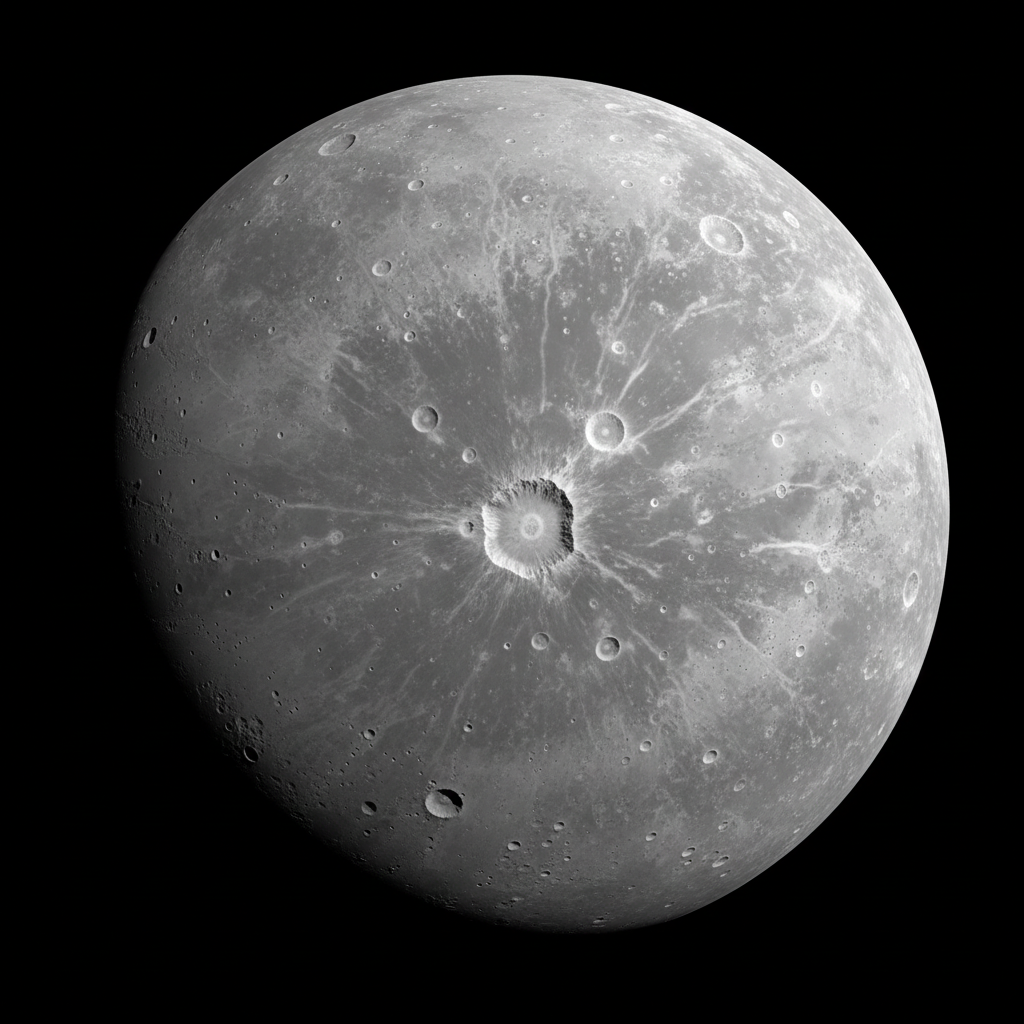
Rocky
Mercury
0.39 AU from Sun
Closest to the Sun, Mercury has extreme temperature swings from -180°C at night to 430°C during the day. Despite its proximity to the Sun, it is not the hottest planet.
0 moons
4,879 km
From the scorched surface of Mercury to the icy winds of Neptune — each planet is a unique world with its own story.
8
Planets
290+
Known Moons
4.5B
Years Old
0.39 AU from Sun
Closest to the Sun, Mercury has extreme temperature swings from -180°C at night to 430°C during the day. Despite its proximity to the Sun, it is not the hottest planet.
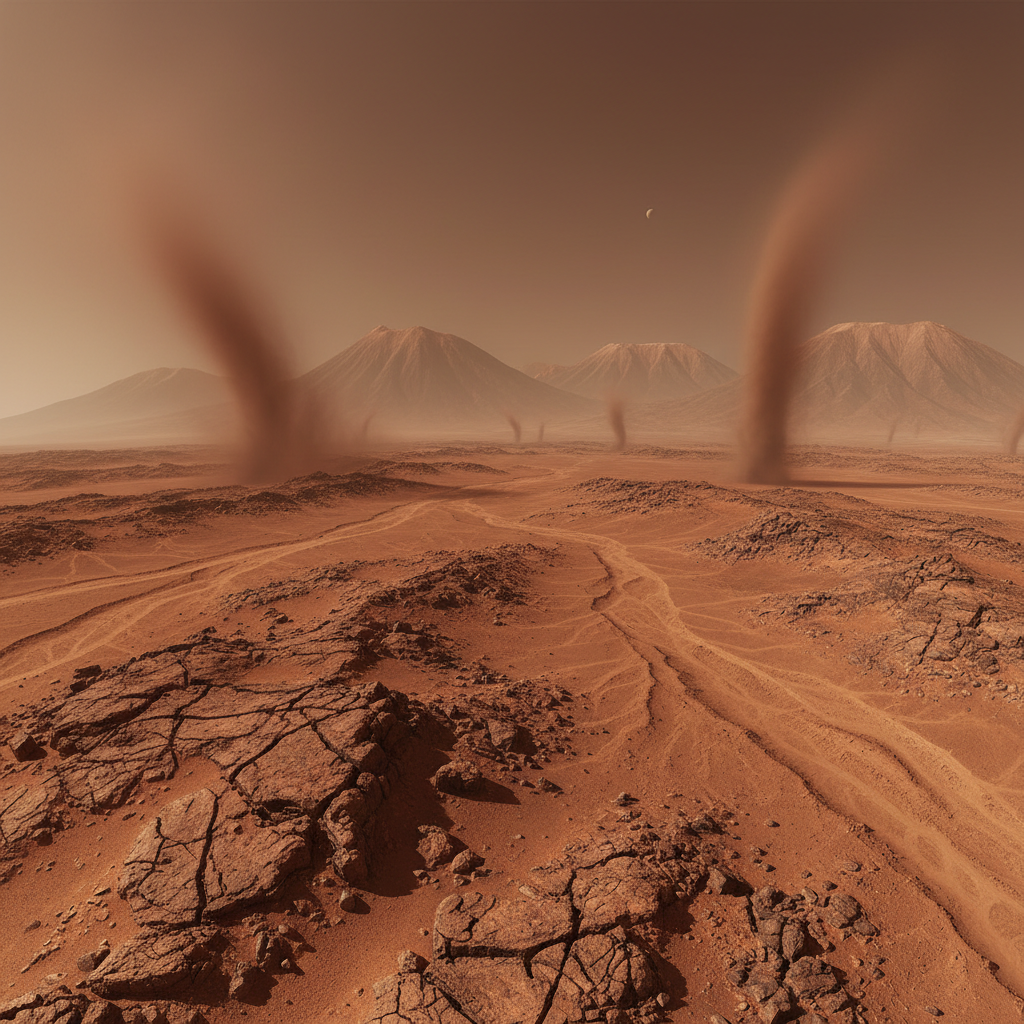
1.52 AU from Sun
The Red Planet has the tallest volcano in the solar system — Olympus Mons — at 22km high. Mars has a thin atmosphere and surface temperatures averaging -60°C.
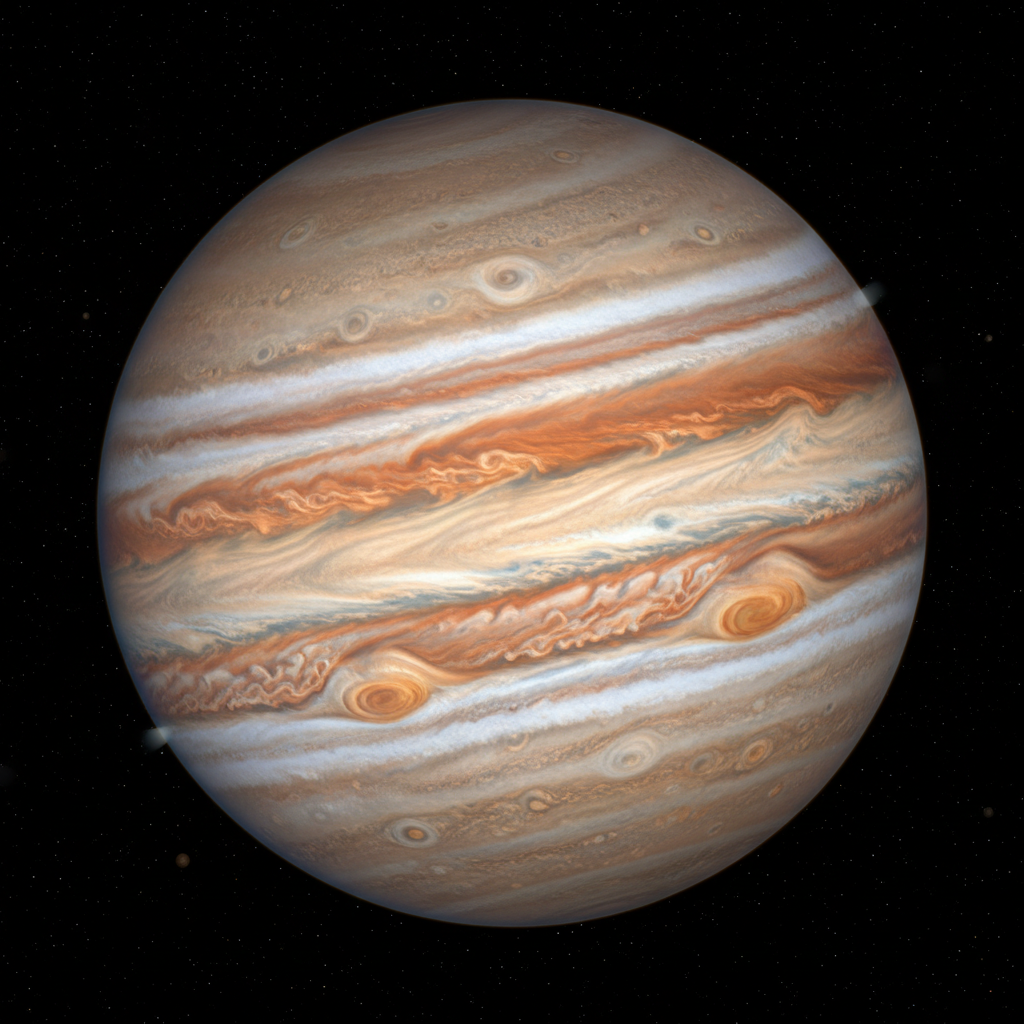
5.2 AU from Sun
Jupiter's Great Red Spot is a storm that has raged for at least 350 years. With 95 known moons, Jupiter is a solar system in miniature, with Europa potentially harboring a subsurface ocean.
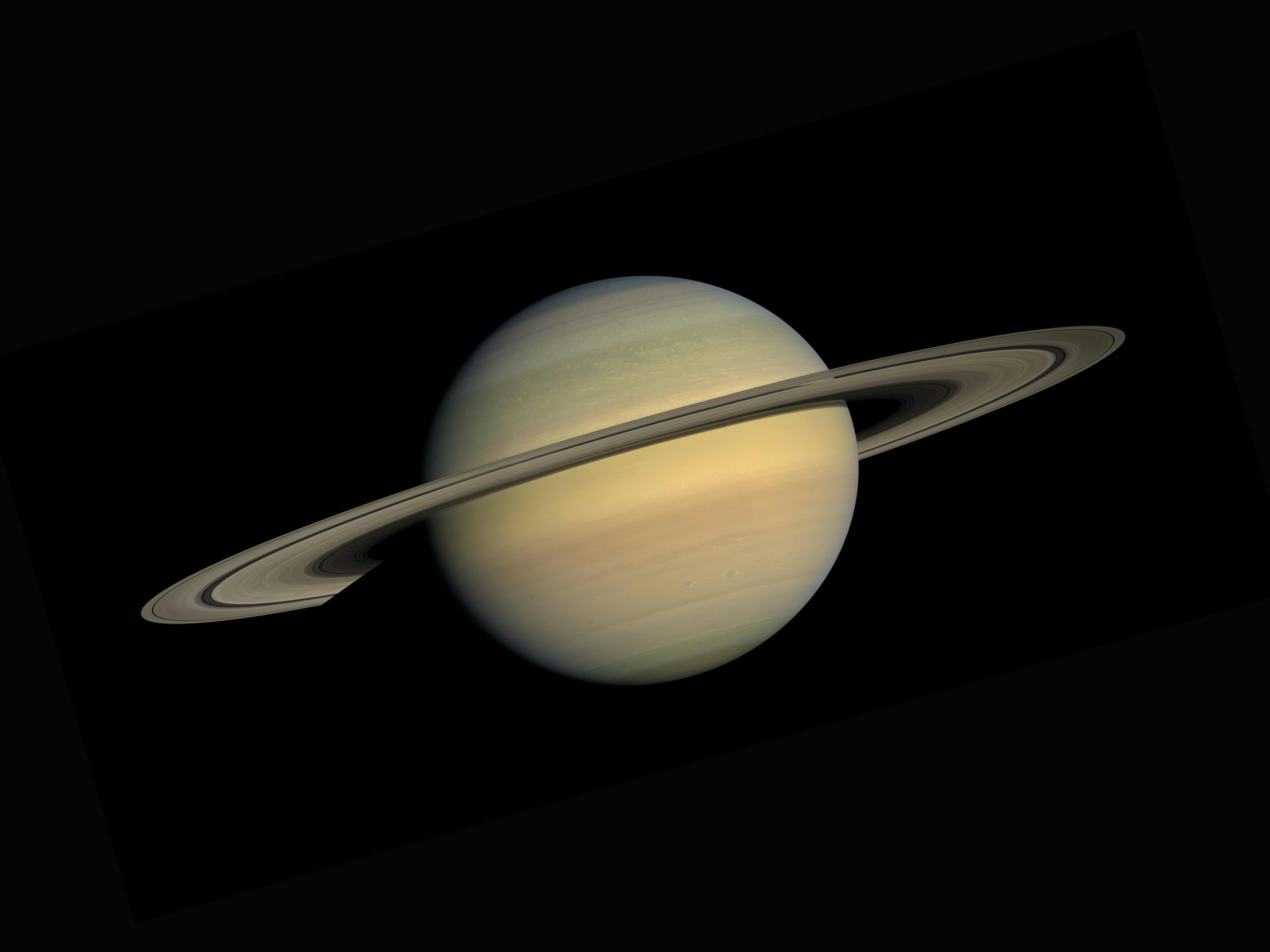
9.58 AU from Sun
Saturn's iconic rings are made of ice and rock, ranging from tiny grains to chunks as large as a house. Despite its massive size, Saturn is the least dense planet — it would float on water.
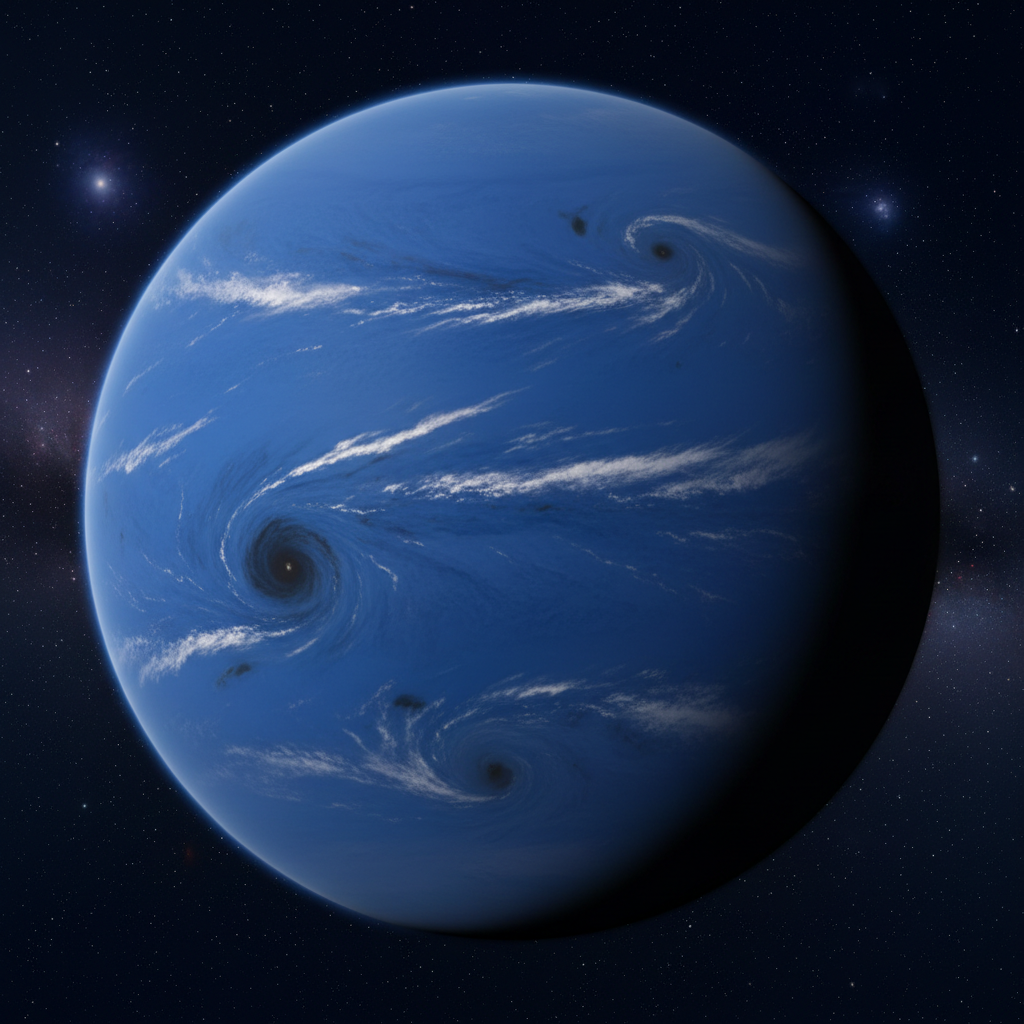
30.07 AU from Sun
Neptune has the fastest winds in the solar system at 2,100 km/h. Its largest moon, Triton, orbits backwards and is likely a captured Kuiper Belt object — destined to be torn apart in 3.6 billion years.
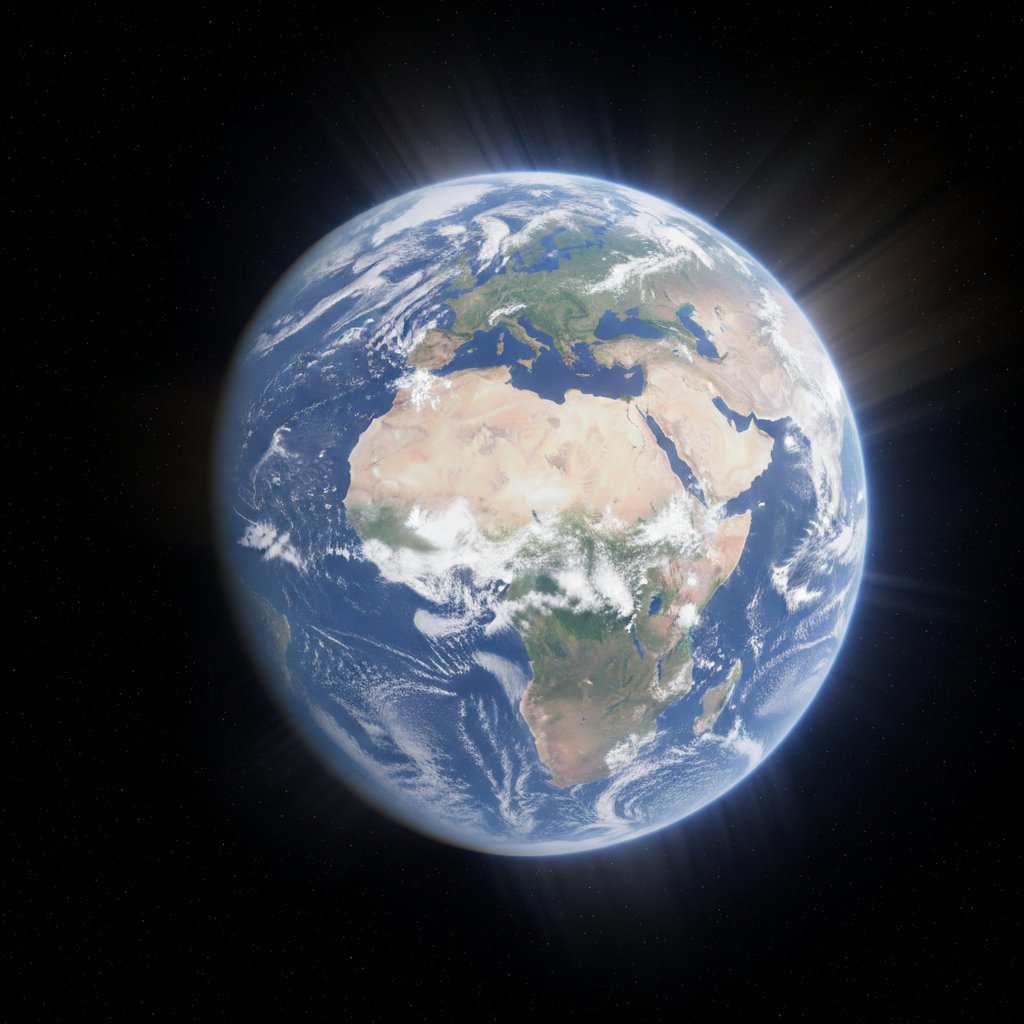
1.0 AU from Sun
The only known planet with life, Earth's surface is 71% water. Our planet's magnetic field protects life from solar radiation, and plate tectonics constantly reshape the surface over millions of years.
NASA has confirmed over 5,600 exoplanets orbiting other stars. Some orbit in habitable zones — at just the right distance for liquid water to exist.
5,600+
Confirmed Exoplanets
Forests cover 31% of Earth's land area and are home to 80% of all terrestrial biodiversity. They regulate climate, purify water, and feed billions.
4.06B
Hectares of forest globally
420M
Hectares lost since 1990
1.6B
People depend on forests
50%
Forests hold all land species
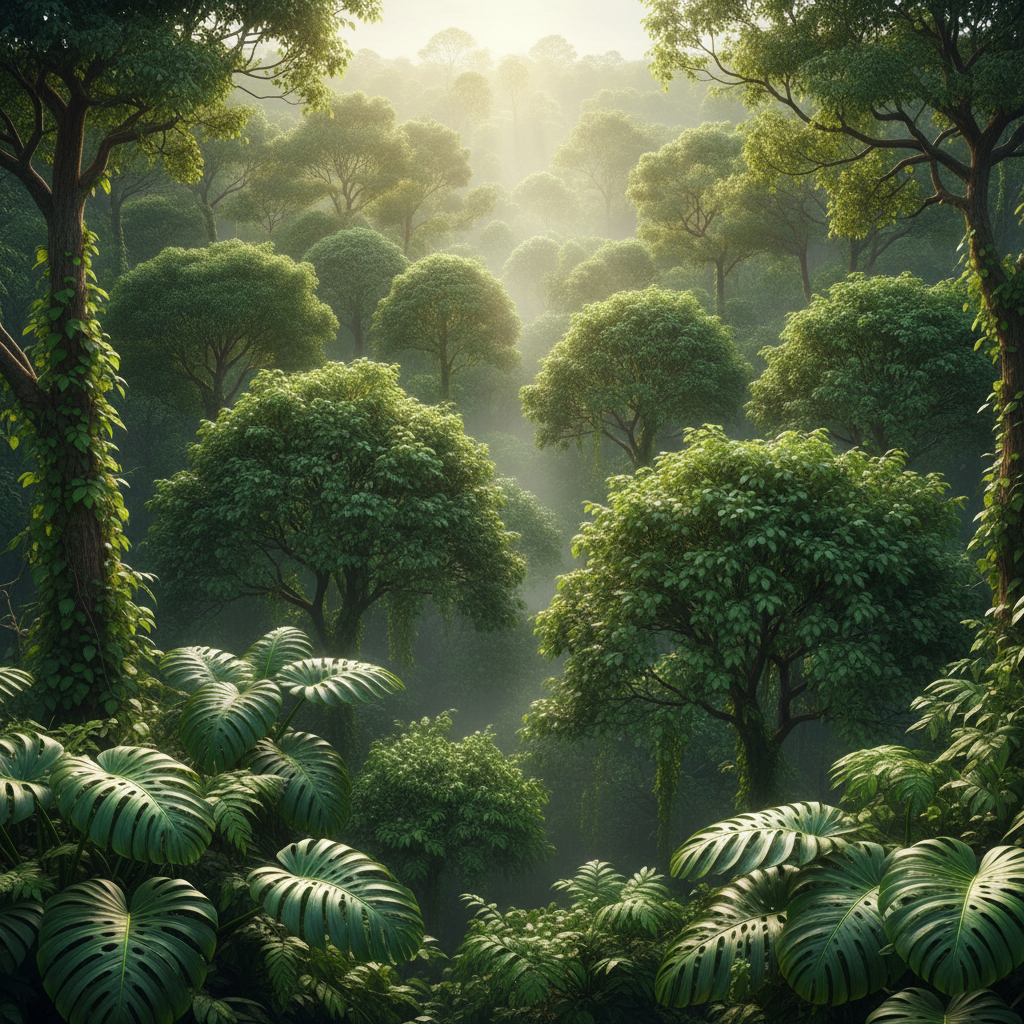
Home to over half of all terrestrial species, tropical rainforests receive more than 2,000mm of rainfall per year. Their dense canopies create multiple distinct ecosystems stacked vertically.
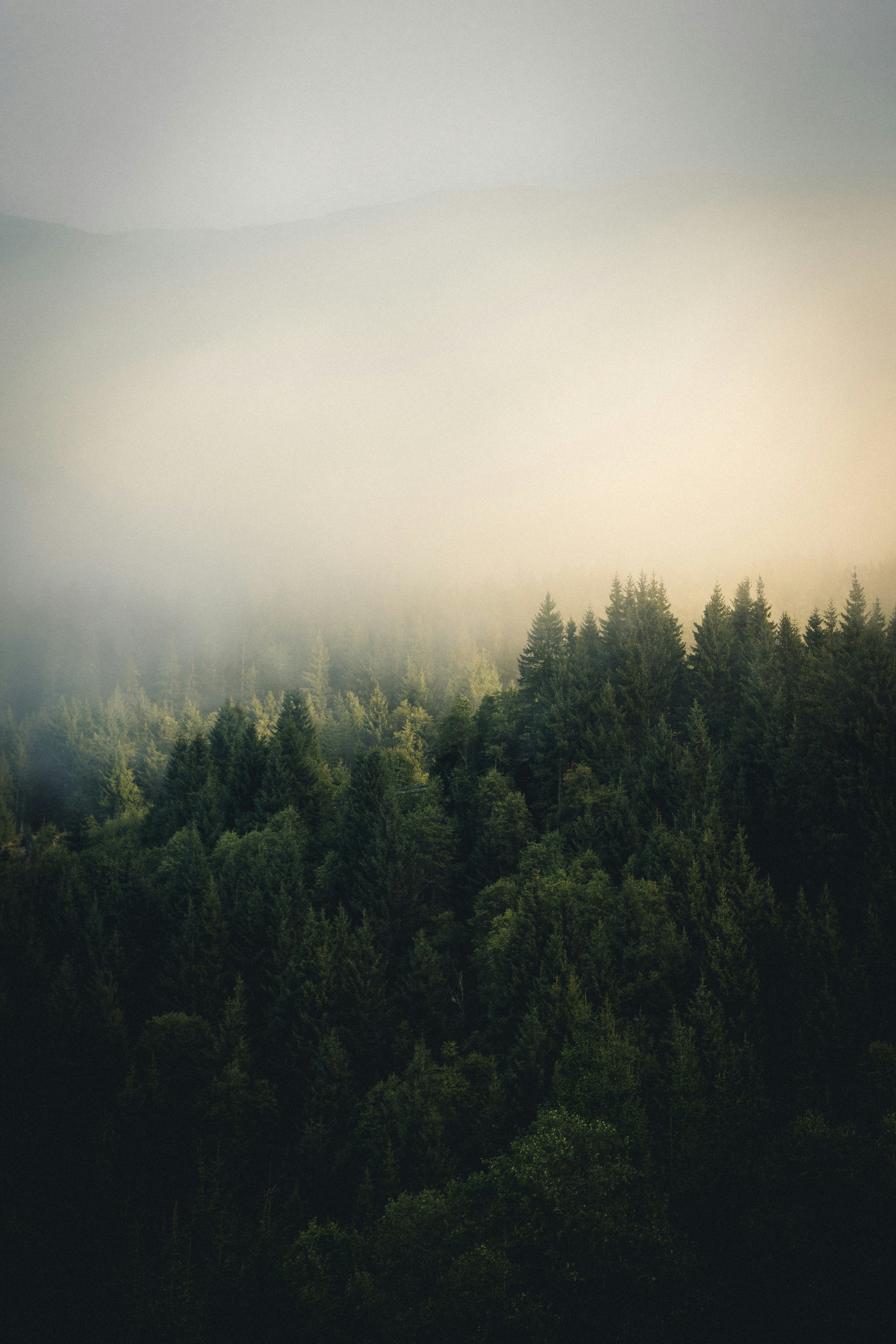
The world's largest land biome, boreal forests store vast amounts of carbon in their soil. Dominated by spruce, fir, and pine, these forests endure winters of -50°C.
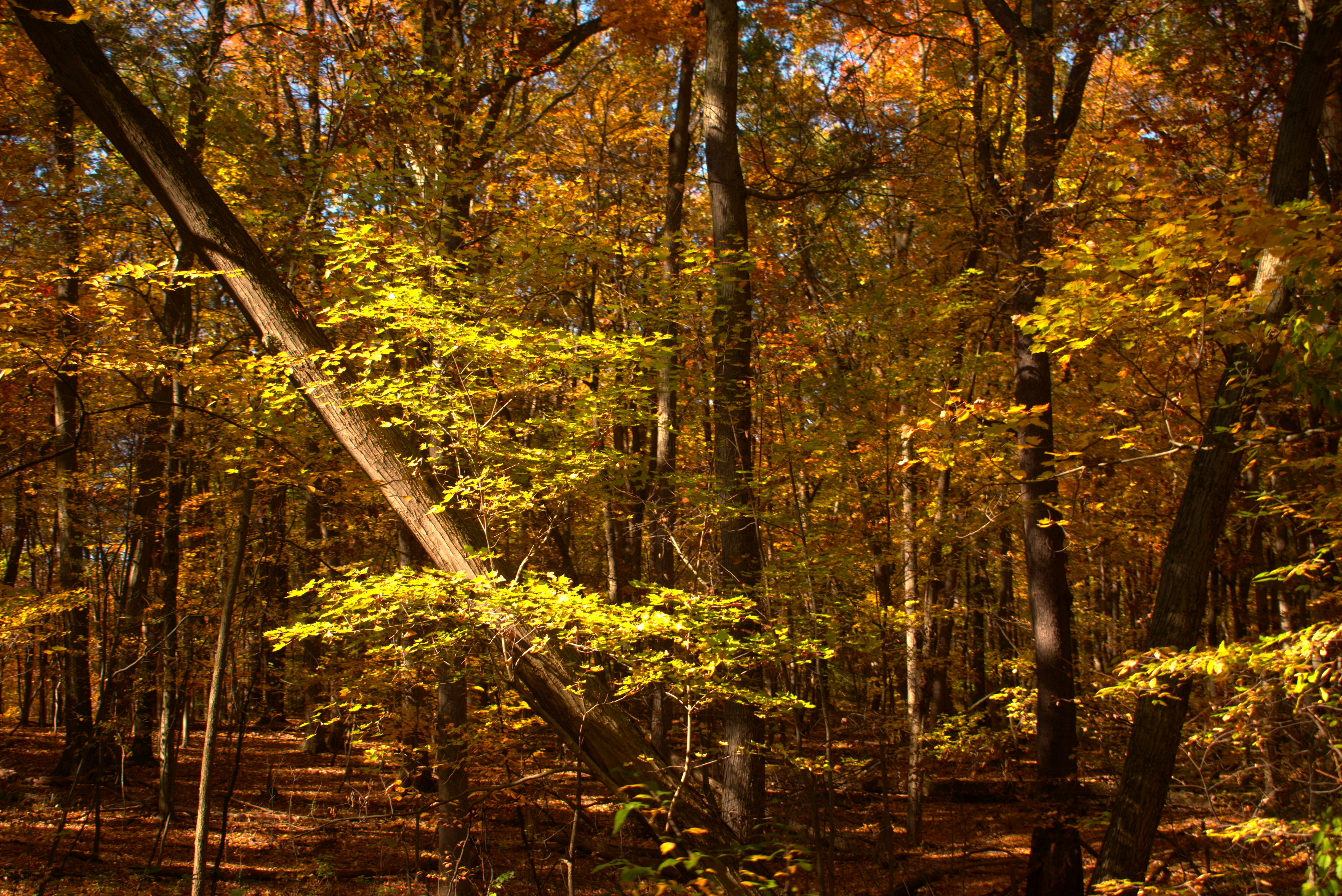
Temperate deciduous forests change dramatically with the seasons. Their annual leaf drop creates rich soil layers that support an abundance of fungi, insects, and mammals.
Video games are the world's largest entertainment industry — bigger than film and music combined. These are the titles that defined the medium.
$200B
Industry
3.2B
Players
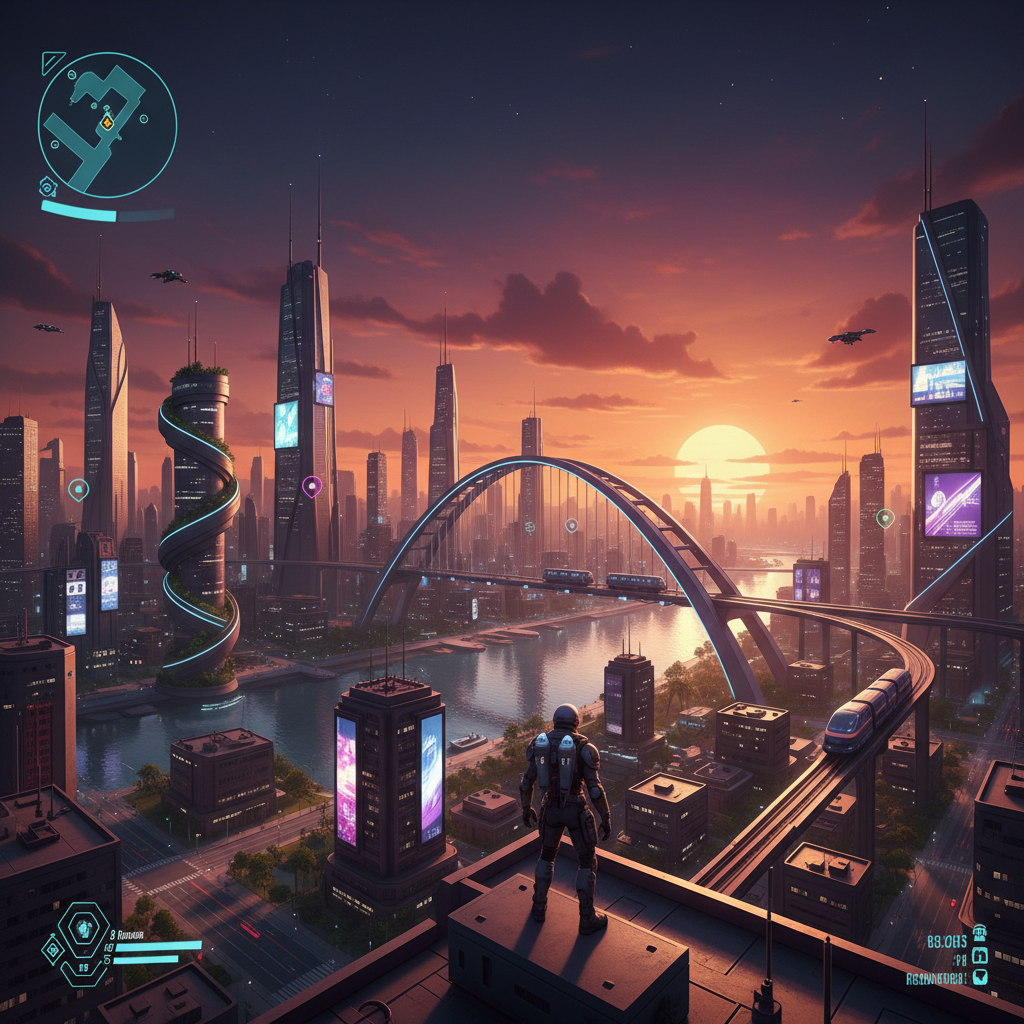
Nintendo · 2017
A landmark in open-world design, Breath of the Wild gave players unprecedented freedom. Every mechanic — weather, physics, climbing — interconnects to create emergent storytelling.
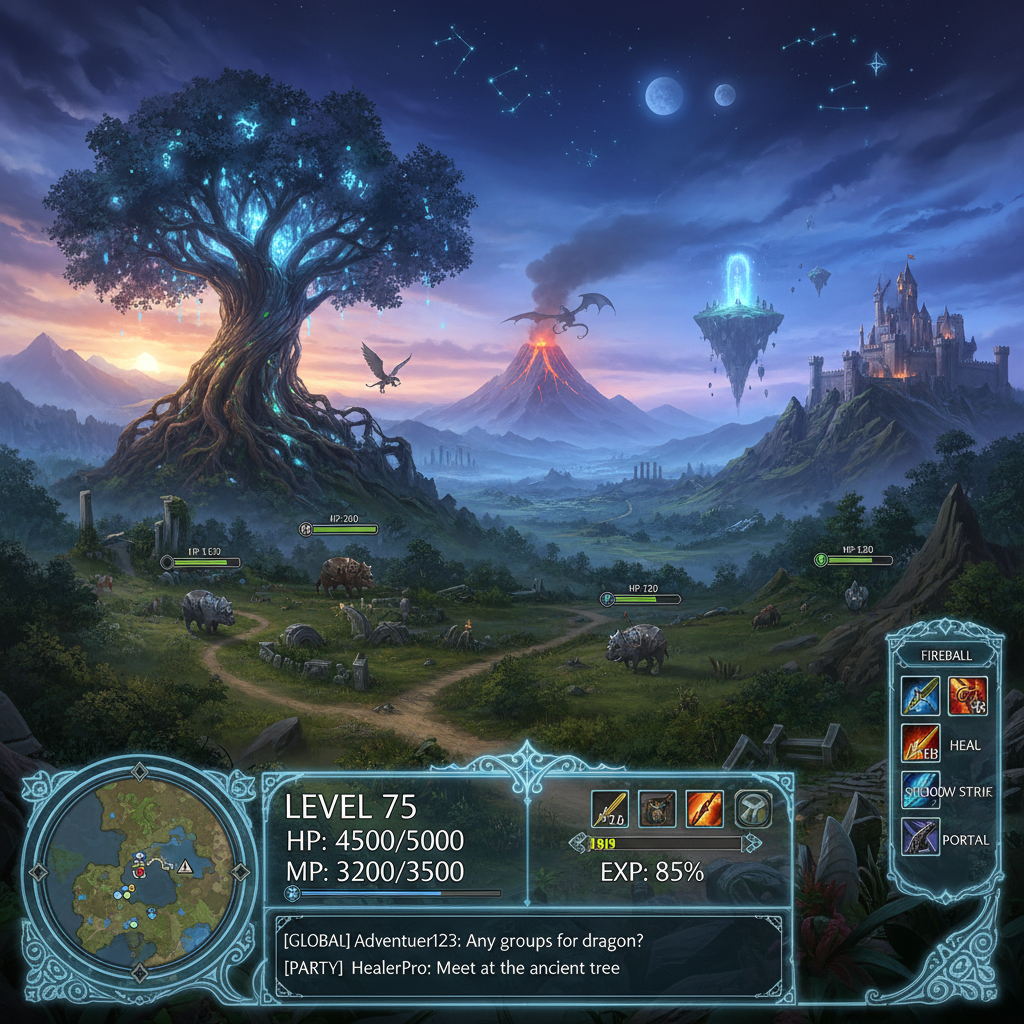
CD Projekt Red · 2015
The Witcher 3 proved narrative depth and open-world scale could coexist. Its side quests are often better written than other games' main stories — a benchmark for RPG storytelling.

Mojang · 2011
The best-selling video game of all time with 300M+ copies sold. Minecraft's procedural worlds and creative freedom have made it a cultural phenomenon and educational tool worldwide.
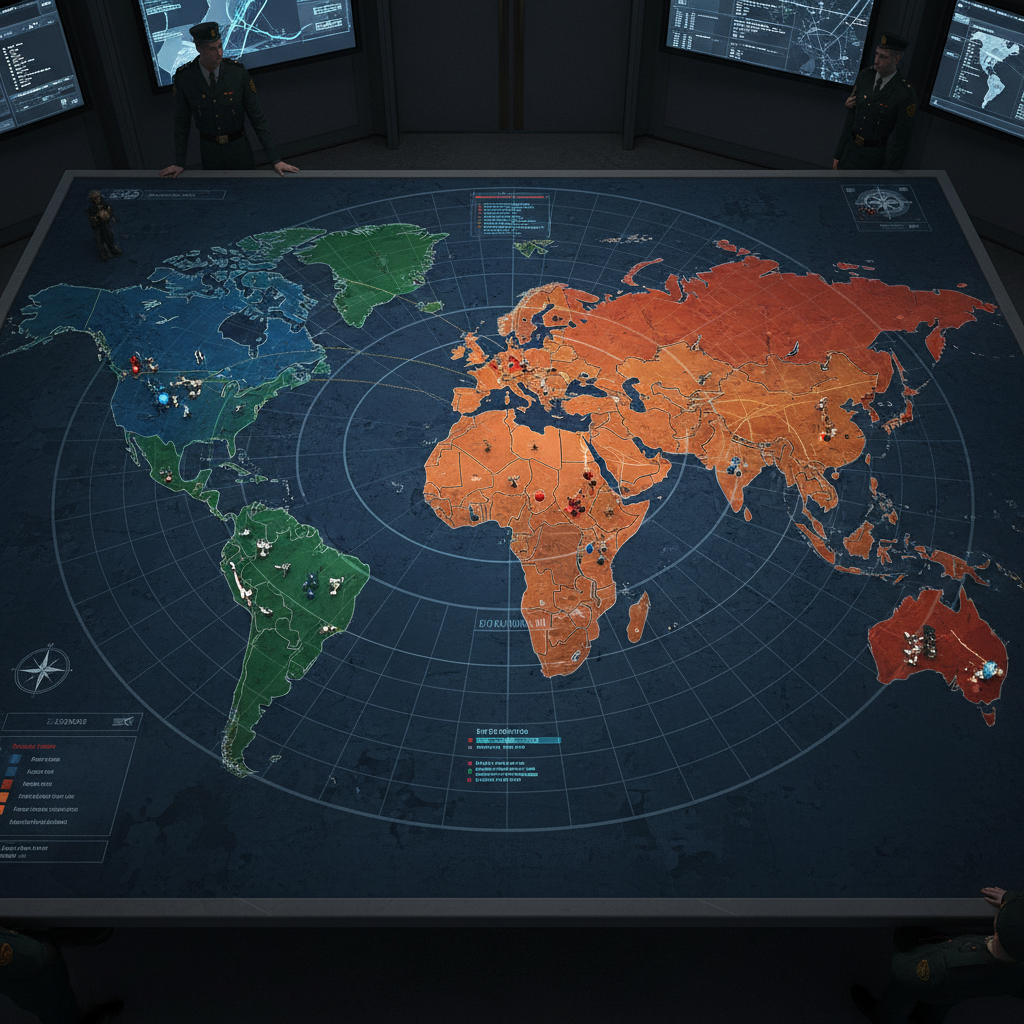
Firaxis Games · 2016
Strategy gaming's crown jewel teaches players history, diplomacy, and resource management. Each playthrough is a unique historical simulation spanning 6,000 years of civilization.
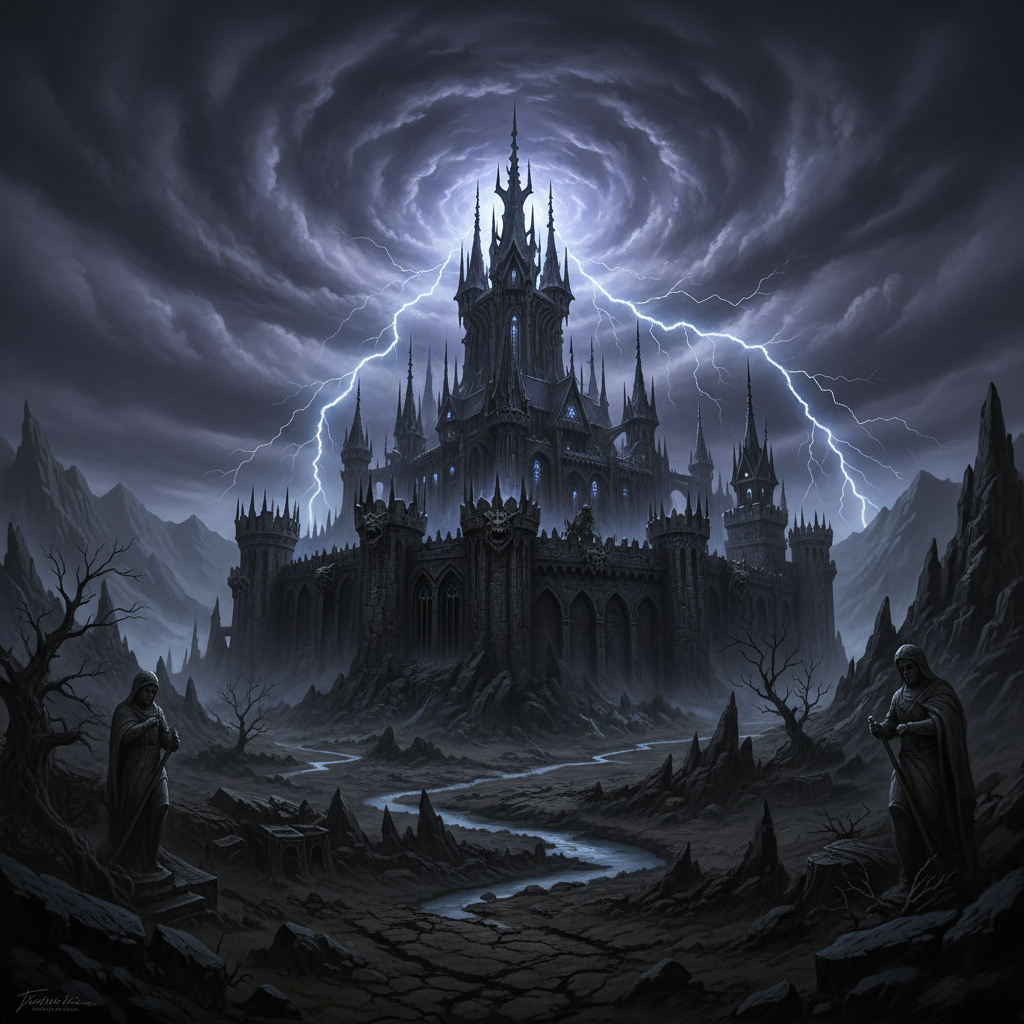
FromSoftware · 2022
FromSoftware's collaboration with George R.R. Martin created a masterpiece of environmental storytelling. Its open world rewards curiosity with hand-crafted encounters at every horizon.
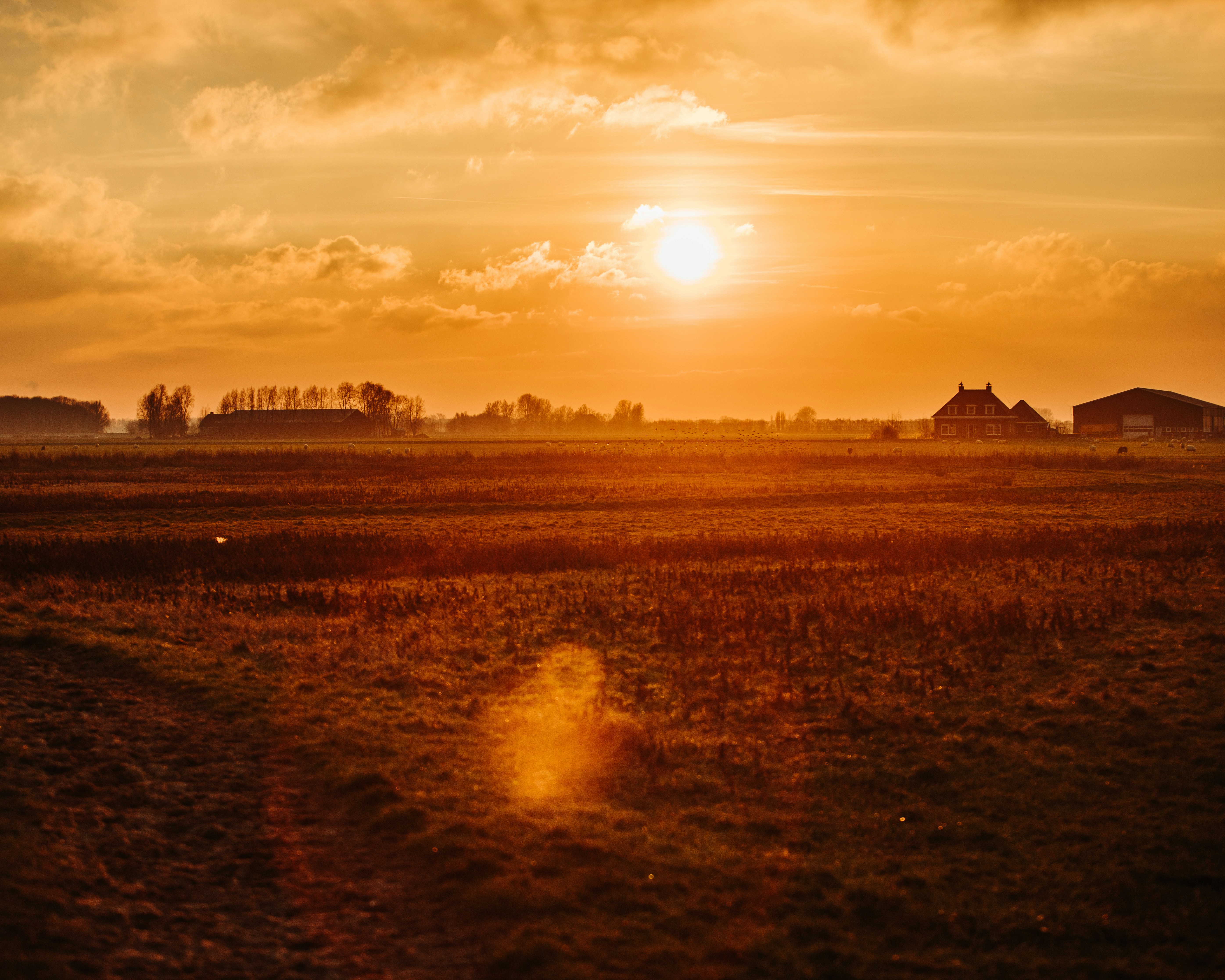
ConcernedApe · 2016
Created by a single developer over 4 years, Stardew Valley became a global phenomenon. It proved one person with vision could build a world that millions find comfort in daily.
Nature operates through patterns, cycles, and systems of breathtaking complexity. These phenomena reveal the living intelligence of our planet.
8.7M
Species on Earth
estimated total
1M
Threatened species
facing extinction
71%
Earth surface
covered by water
50%
Biodiversity lost
since 1970
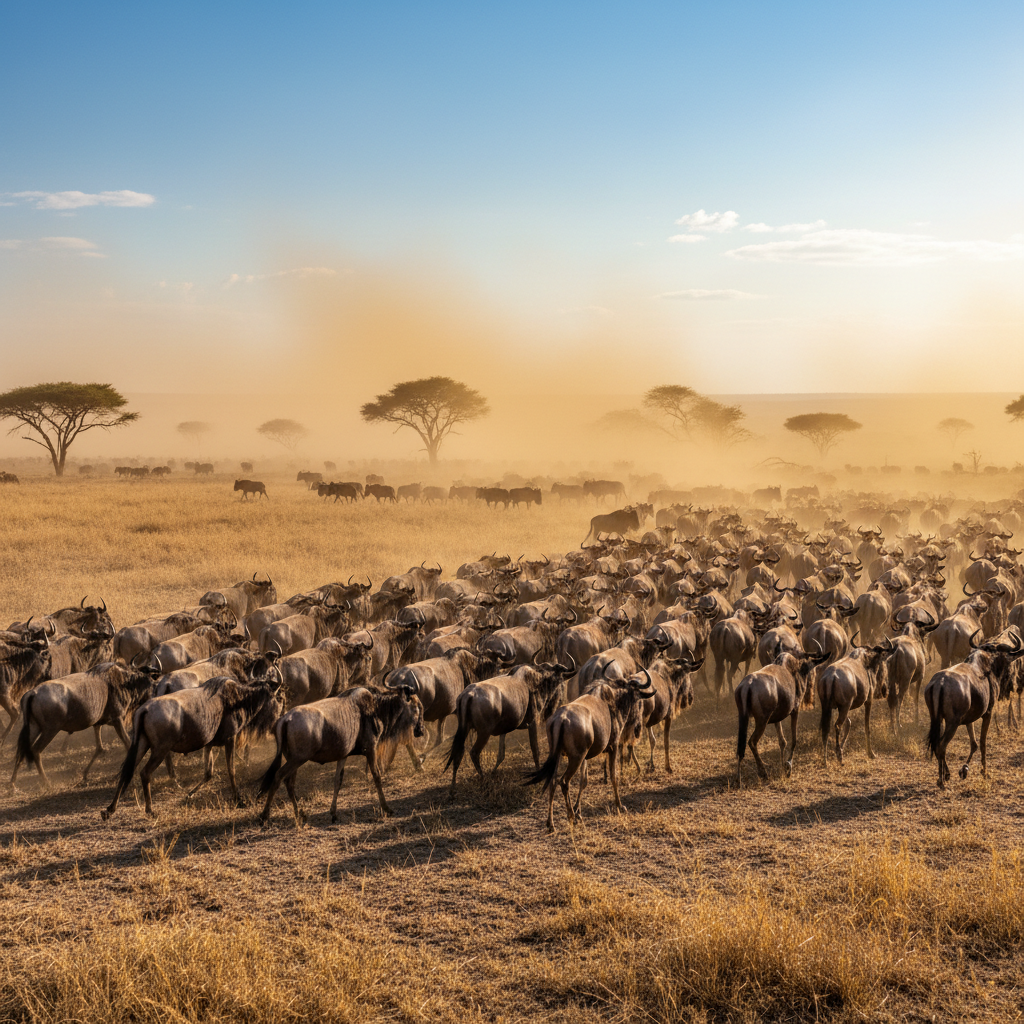
Serengeti, Tanzania
Every year, 1.5 million wildebeest, 200,000 zebras, and 500,000 gazelles undertake a 1,800km circular journey across the Serengeti-Mara ecosystem — driven by rainfall and grass growth patterns.
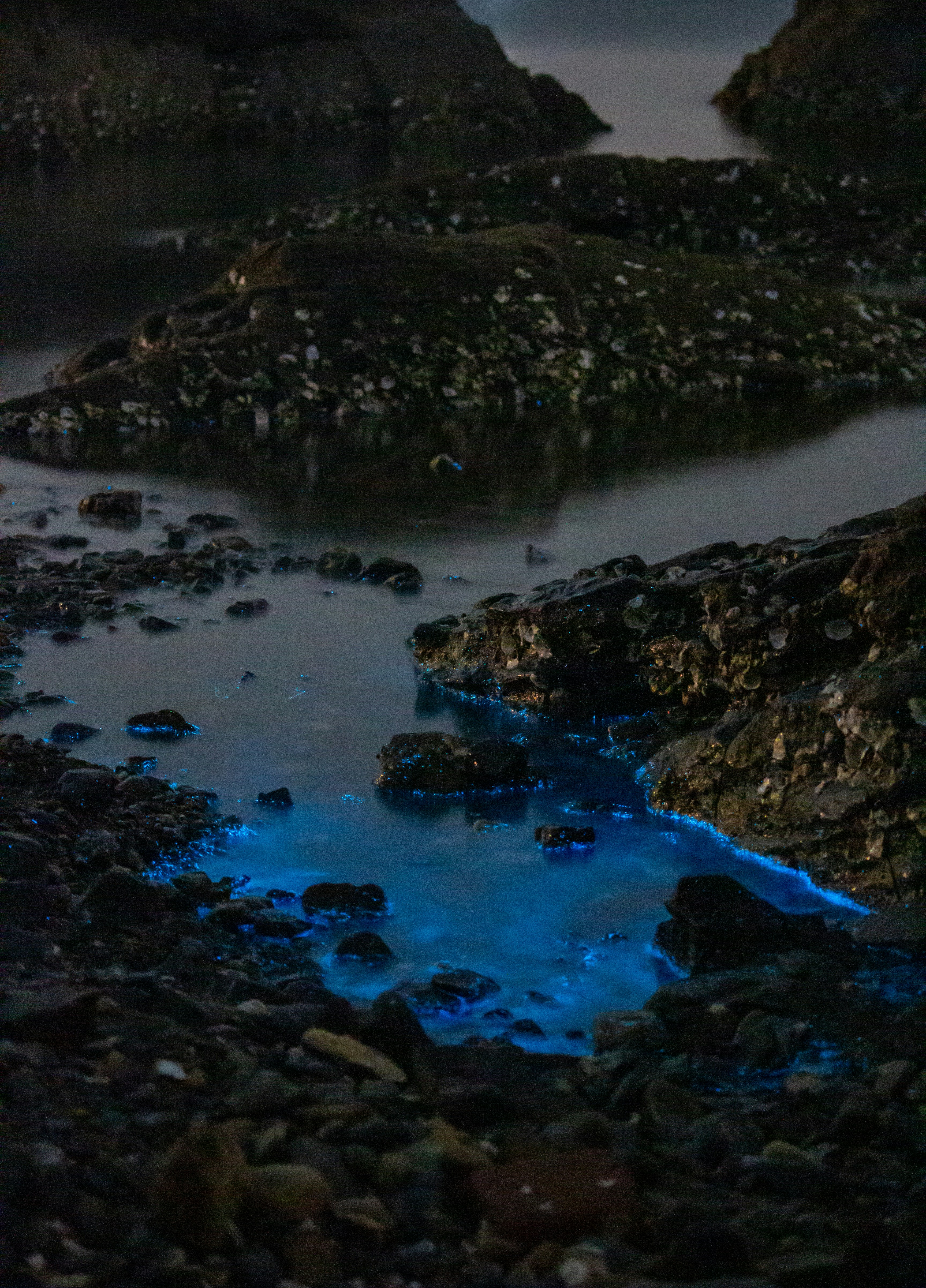
Puerto Rico, Maldives
Certain bays glow blue at night due to dinoflagellates — microscopic organisms that emit light when disturbed. Mosquito Bay in Puerto Rico is the world's brightest bioluminescent bay with 720,000 organisms per gallon.
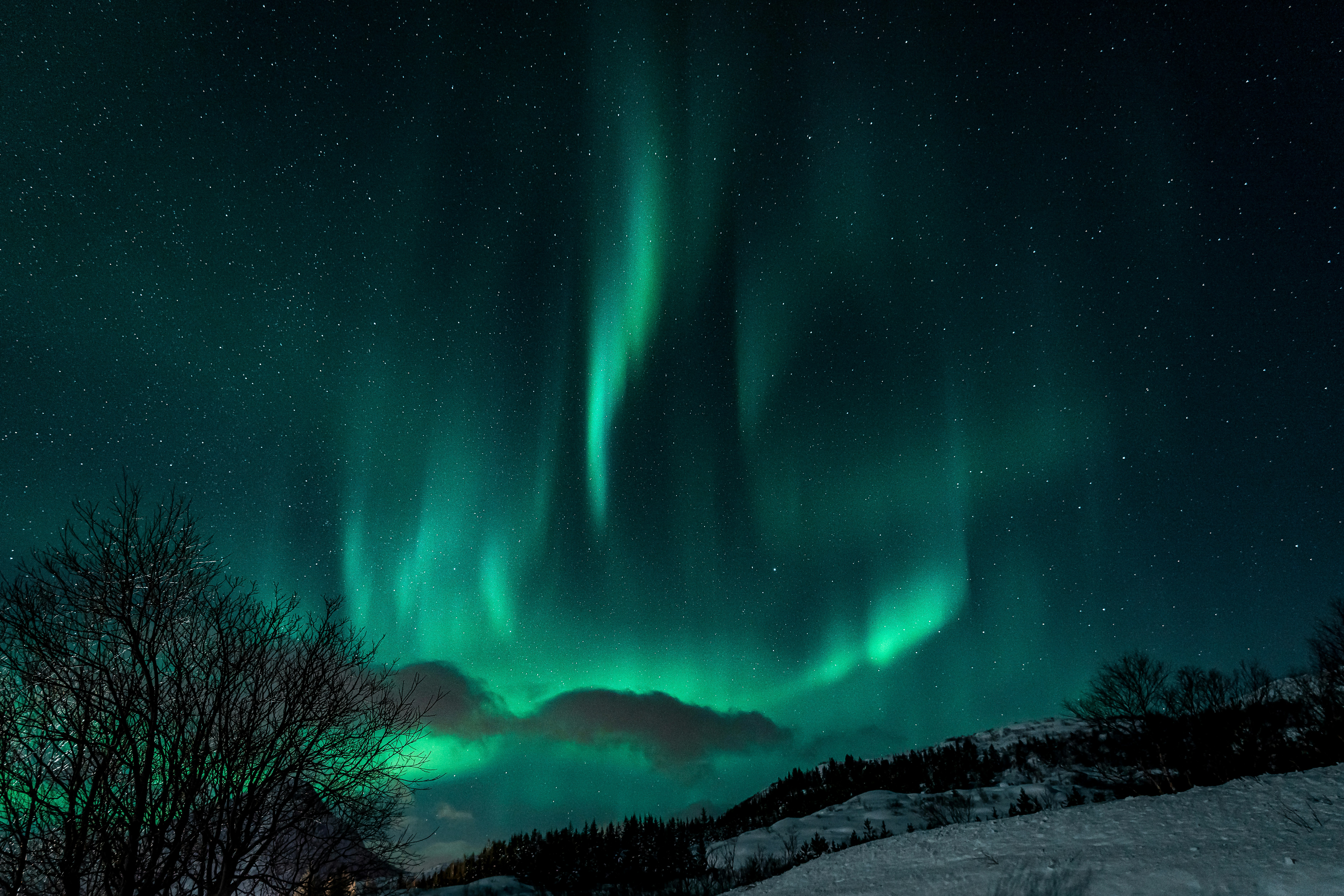
Arctic Circle
Aurora borealis occurs when charged particles from the Sun collide with atmospheric gases at 100-300km altitude. Different gases produce different colors: oxygen creates green and red, nitrogen produces blue and purple.
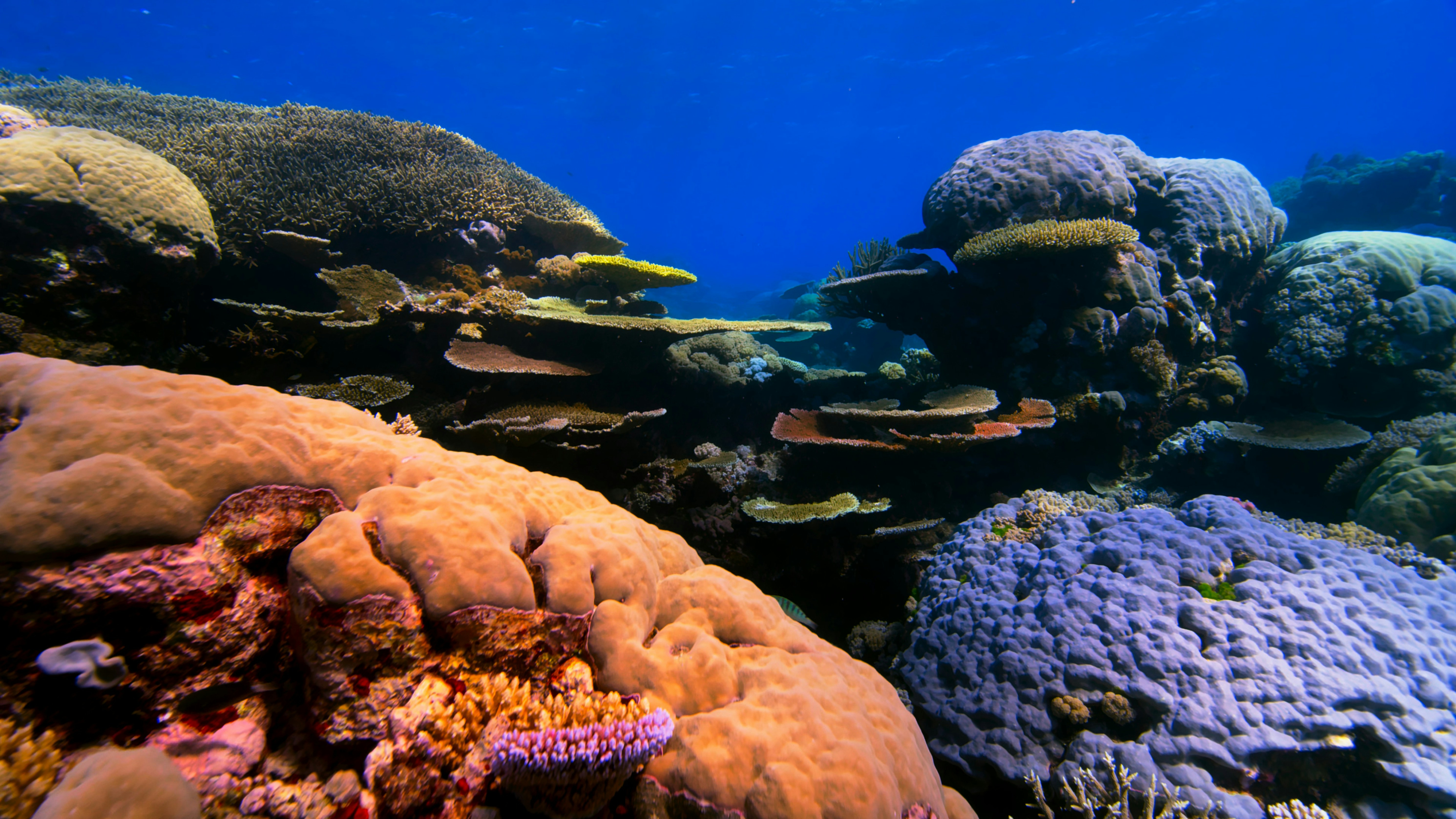
Great Barrier Reef, Australia
Coral reefs cover just 0.1% of the ocean floor but support 25% of all marine species. The Great Barrier Reef is the world's largest living structure — visible from space — yet bleaching events now threaten its survival.